
PONTANO, Giovanni
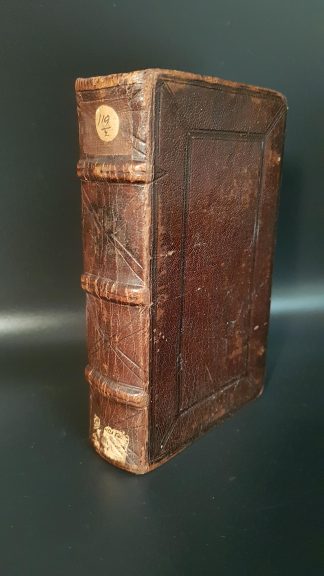
GOOD EARLY ITALIAN BINDING


De rebus coelestibus libri XIIII
Florence, per hæredes Philippi Iuntæ, 1520£3,250.00
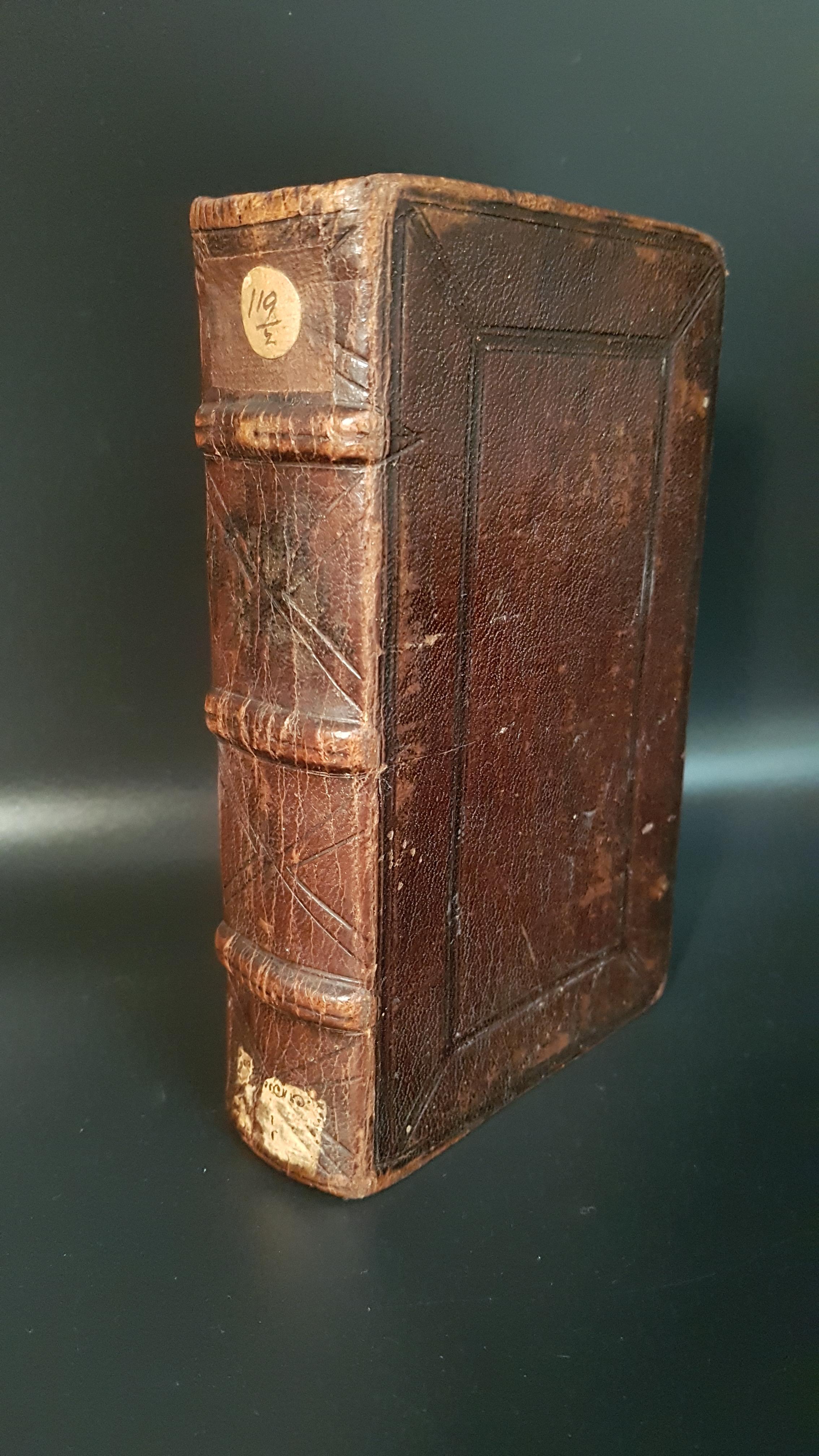
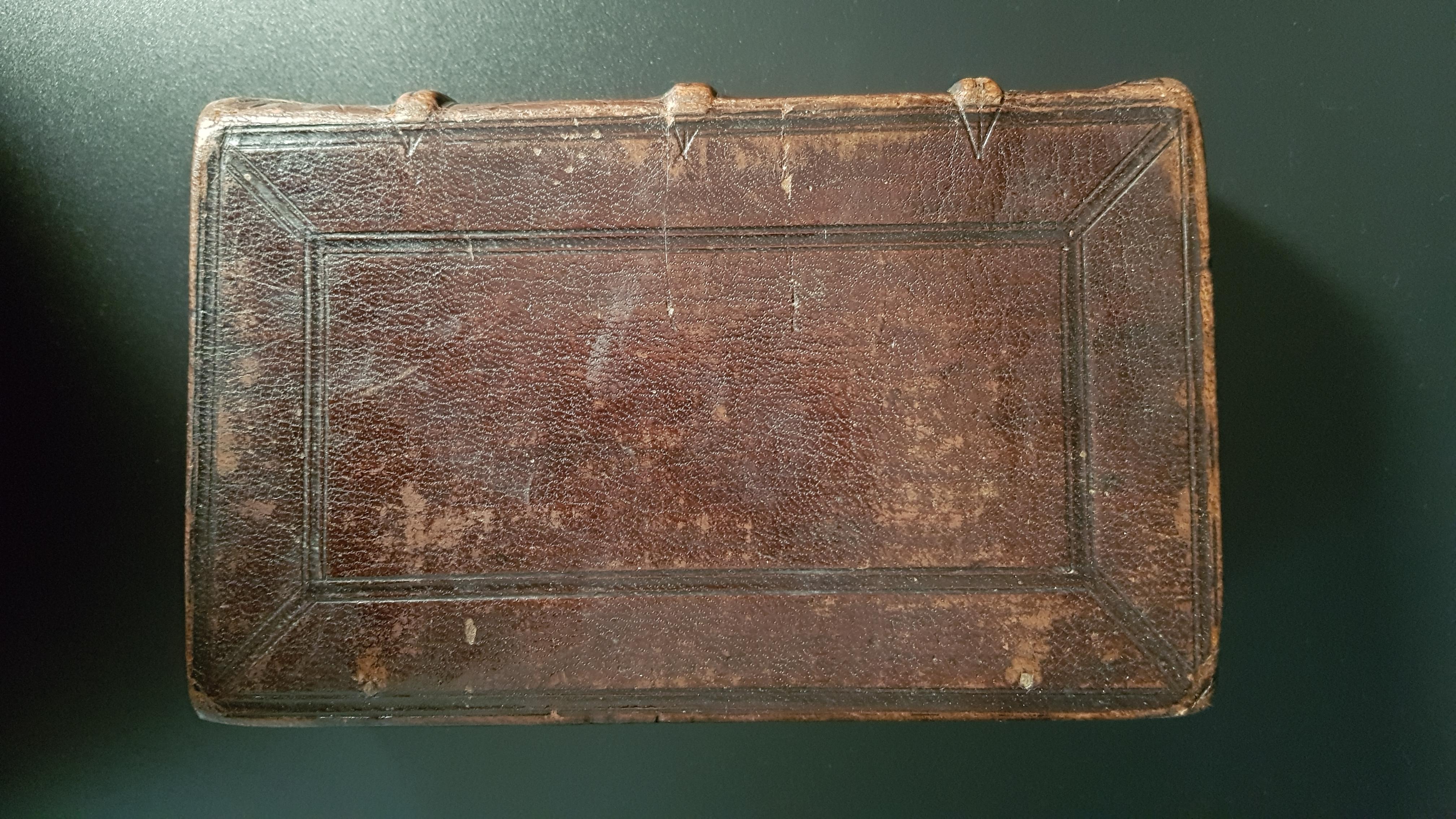
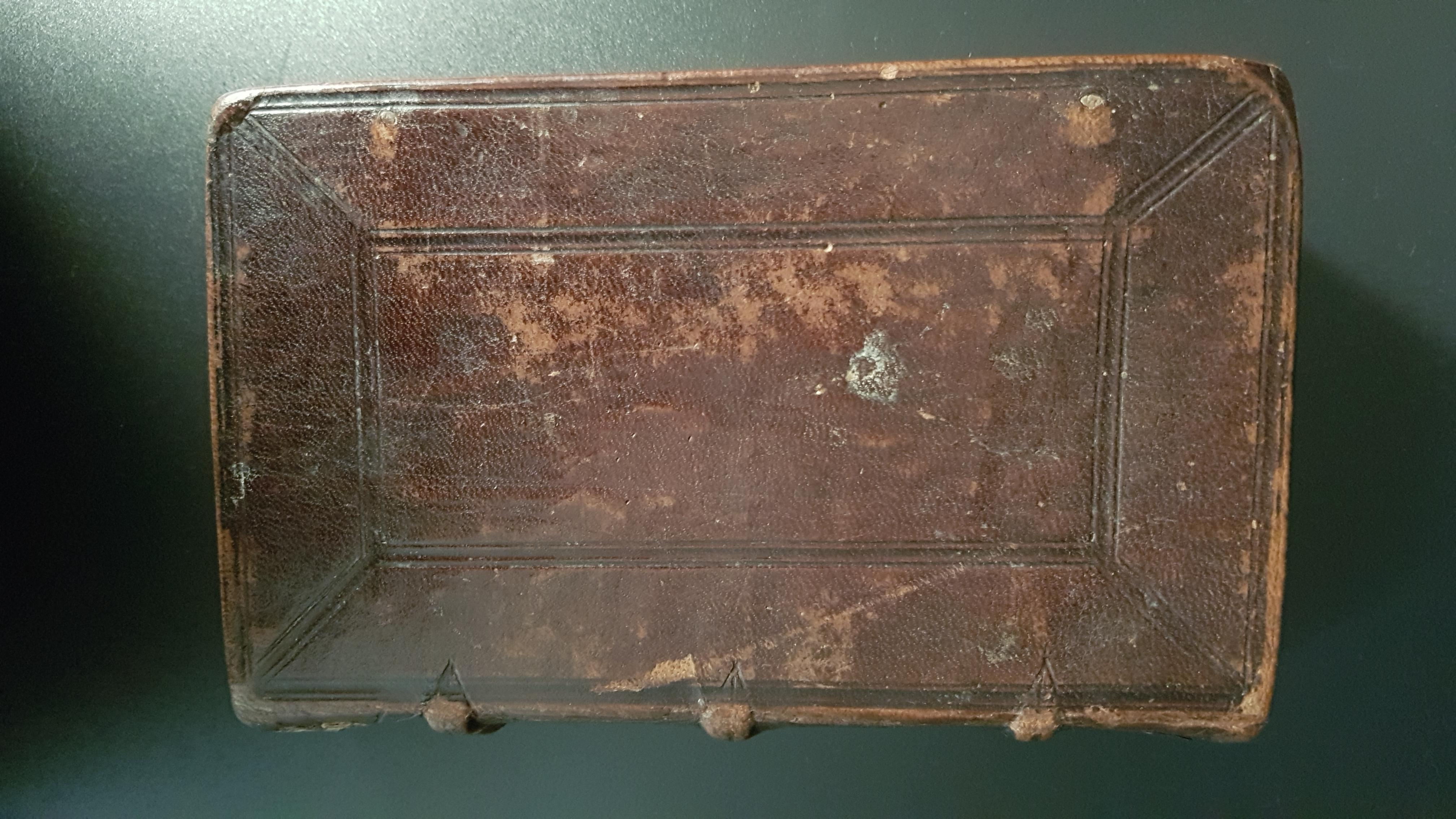
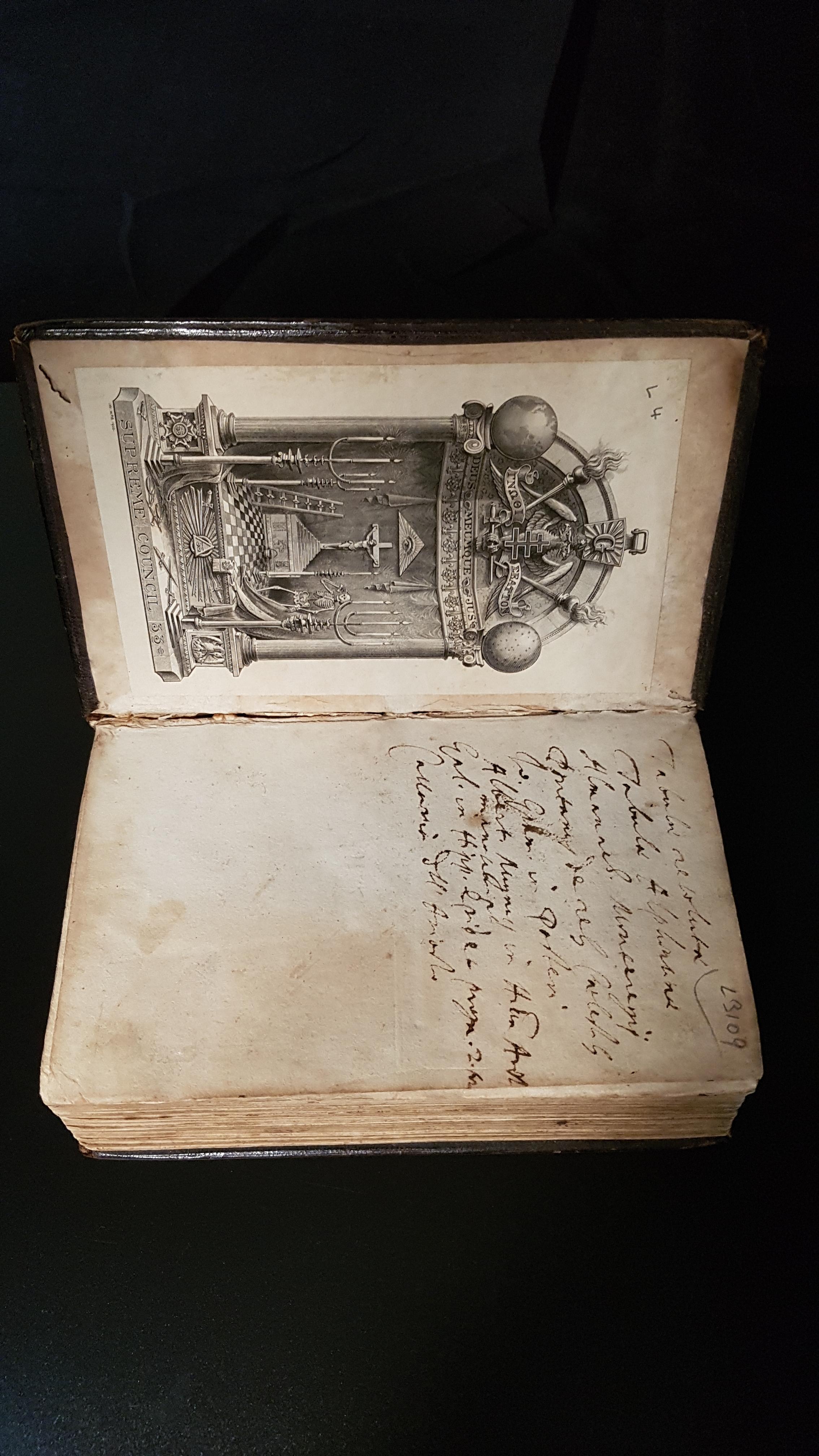
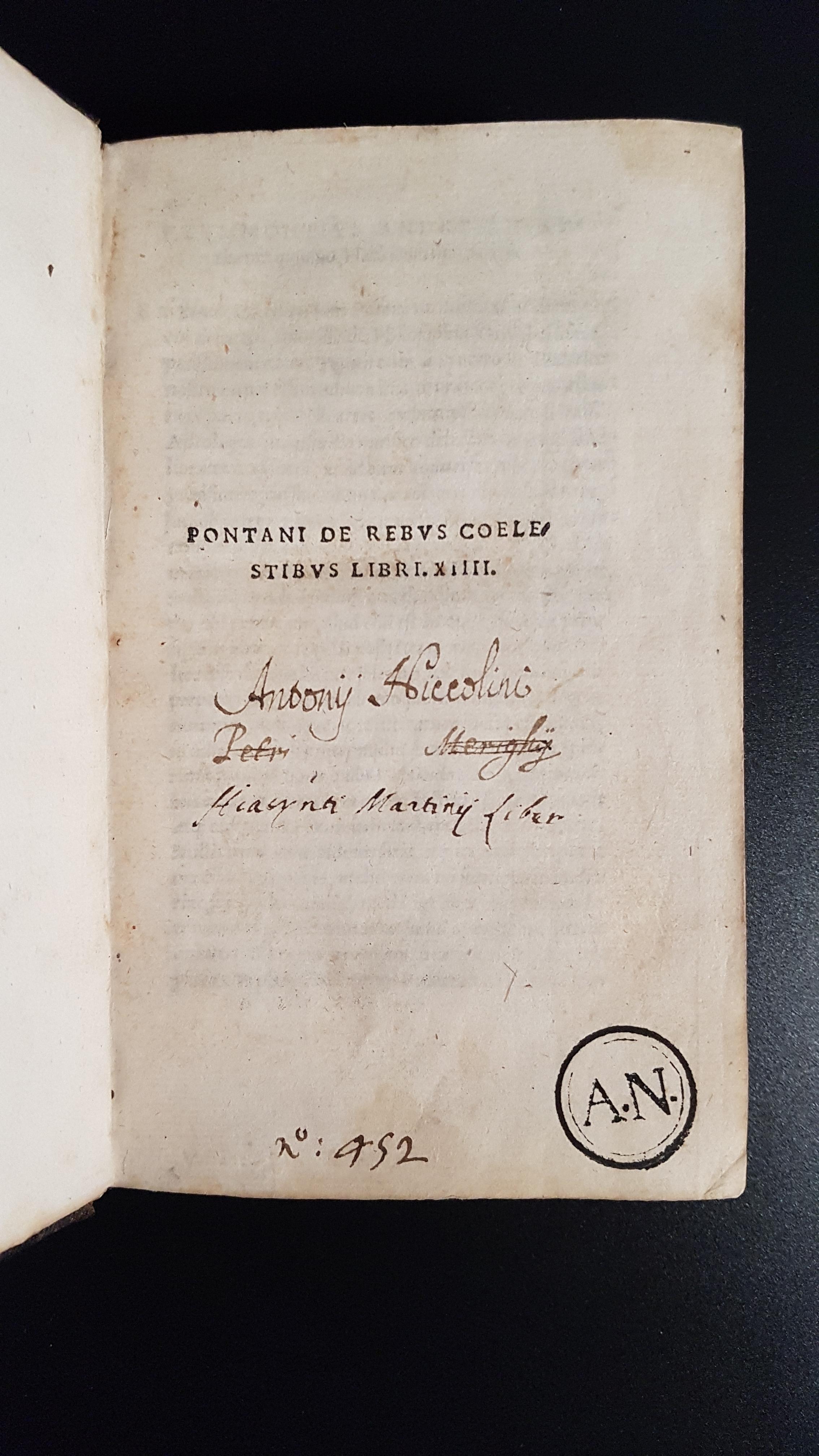
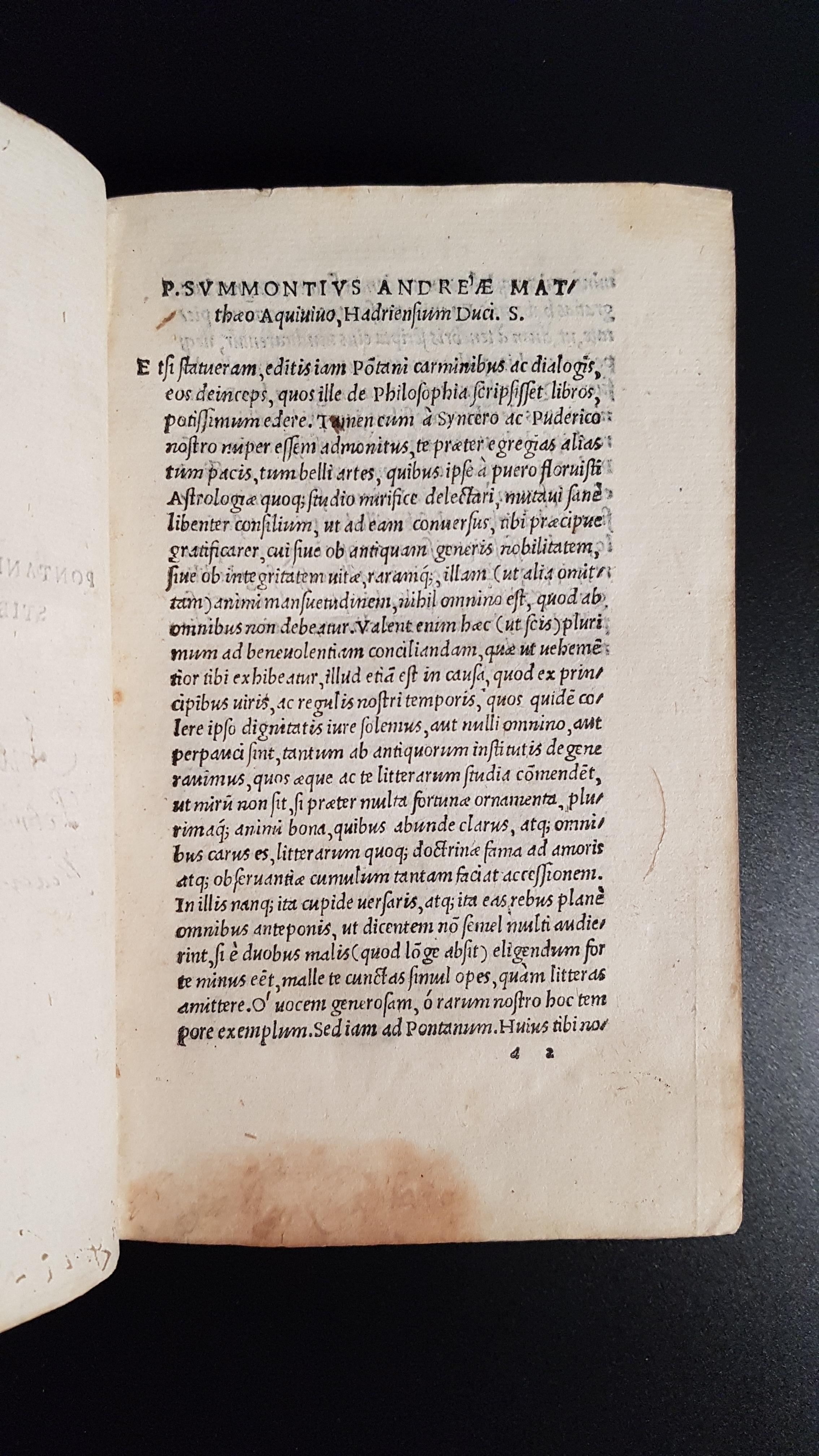
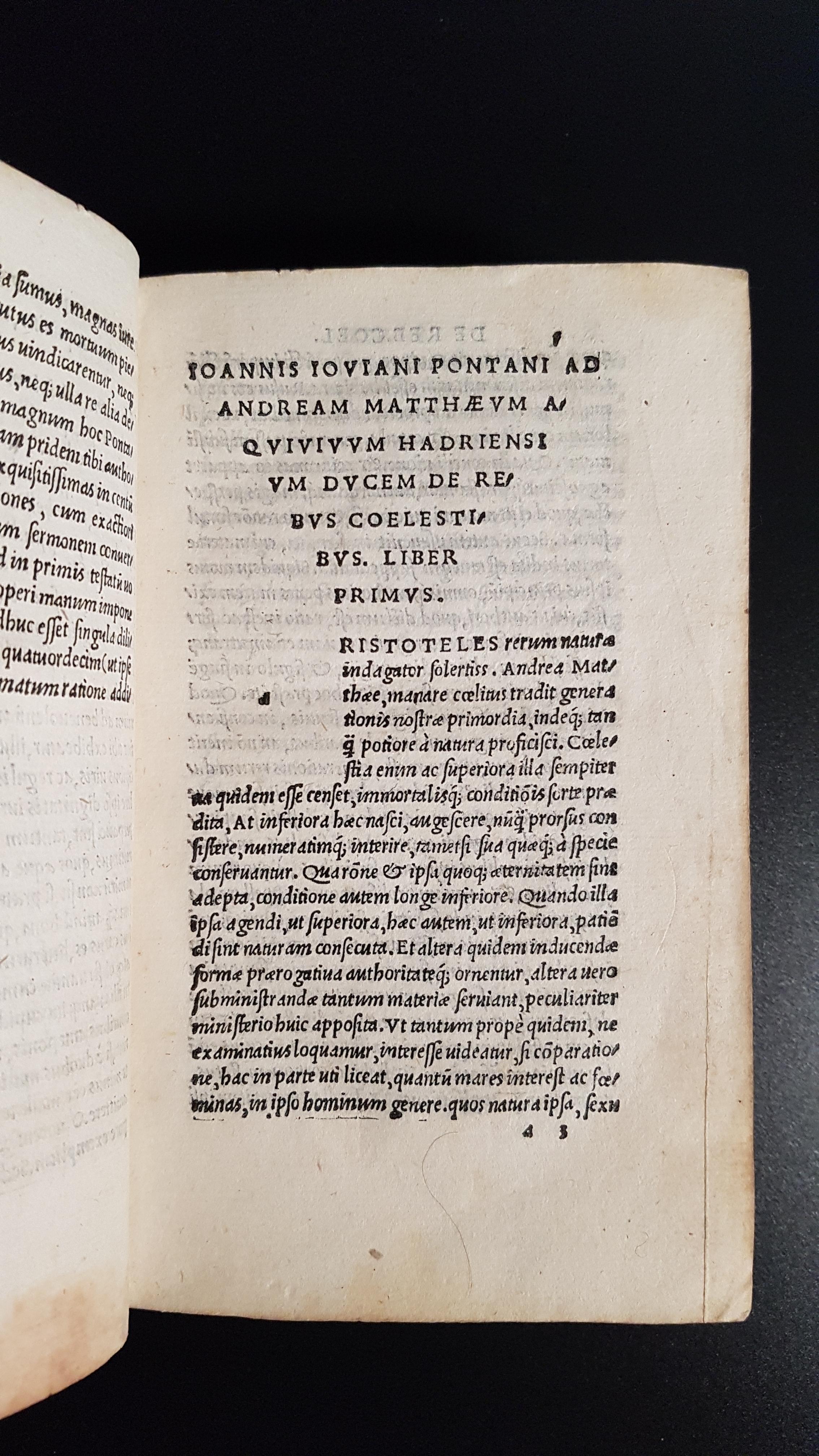
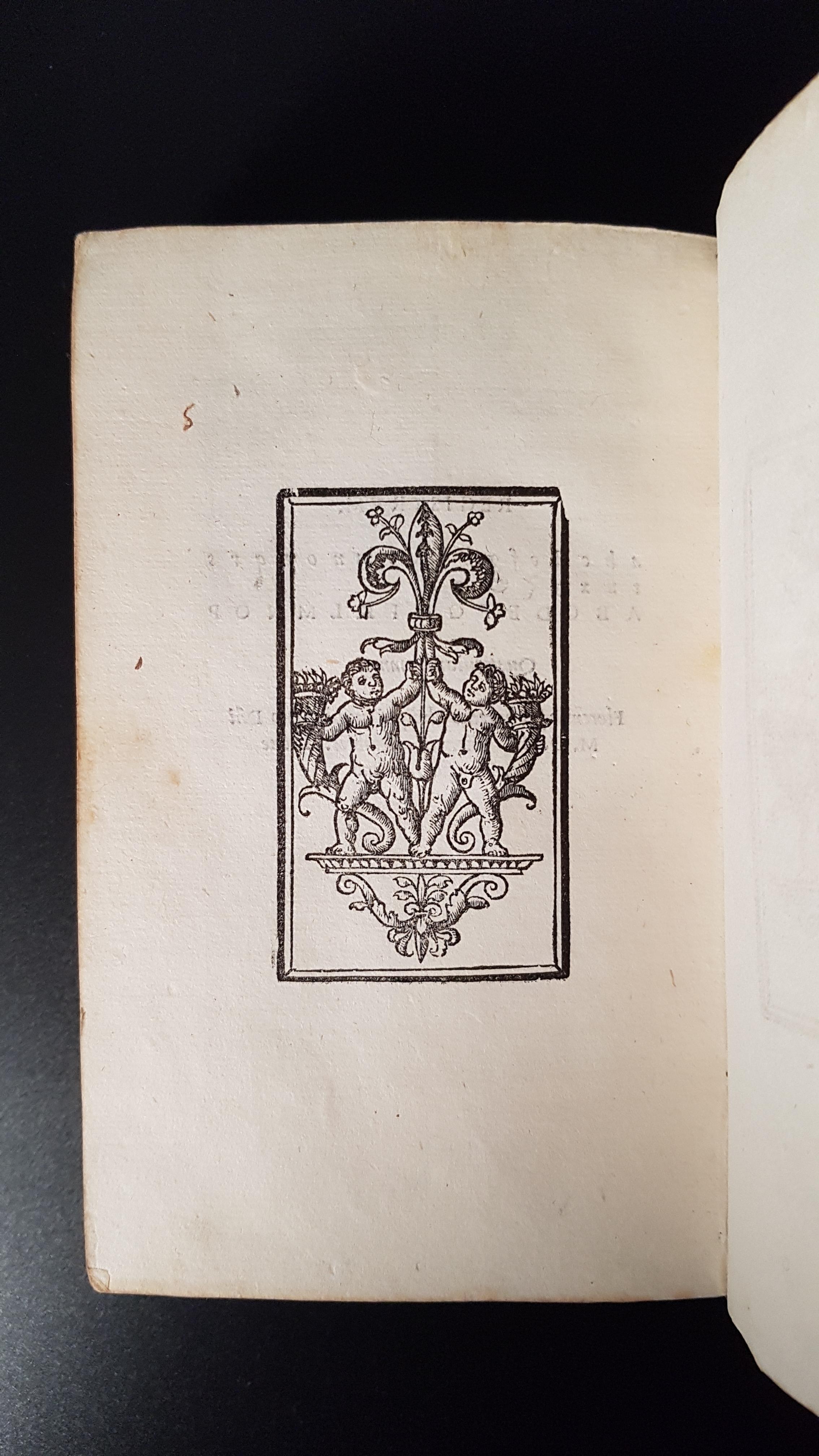
8vo. ff. 336 [326] (vi). Italic letter, occasional Roman. Woodcut Giunta device to verso of P7 and last leaf. T-p little soiled and thumbed, intermittent faint water stain to lower margins, washed ms. note to lower blank margin of a2, minor marginal spots and marks. A remarkably clean, well-margined copy in C16 Italian morocco, double blind ruled to a panel design, raised bands, spine single blind ruled in four compartments, each cross-hatched in blind, joints rubbed, paper labels to spine. Pictorial bookplate c.1900 of the Masonic Supreme Council of 33 to front pastedown, later bibliographic annotation to fep, C17/C18 ex-libris of Antonius Niccoli, Petrus Merighi and Hiacyntus Martinus to t-p, also ‘N. 452’ and stamped monogram A.N., modern bookplate of Arthur Armory Houghton Jr. to rear pastedown.
Handsome clean copy of the second edition of this most influential astrological work. Giovanni Pontano (or Giovanni Gioviano, 1426-1503) was a poet, humanist and diplomat who, after studying at Perugia, moved to Naples. There he became an influential figure at the Accademia Antoniana (later Pontaniana) and the court of Aragon; he has been celebrated as the intellectual who introduced the Renaissance to Naples. His work spanned philosophy, natural science, astrology and poetry, and in 1512 his ‘opera omnia’ in six parts—of which ‘De rebus coelestibus’ was the sixth—was published by the Giunti in Florence. This is the second Giunti edition of the collected works and the fourth of ‘De rebus’ as a separate work. Written in the course of twenty years, it was begun in 1475 just after Pico della Mirandola published his attack on judicial astrology. Pontanus sought to distance himself from the latter to pursue instead a kind of astrology which could benefit man, so that, through this knowledge, ‘astrologers could assess the nature of human beings, hence their inclinations and eventually the ultimate unfolding of their lives’ (Cantamessa III, 6256). Presenting a cosmos based on Ptolemaic doctrines, the first section is a study of the nature, ‘houses’, qualities and ‘fines’ (degrees) which govern the interactions between planets and signs; this is mandatory knowledge for the real astronomer who should seek to identify the complexities of human nature. The second part analyses the ‘mapping’ of the age and life of man onto the celestial system and changes in the qualities of planets according to their position. Parts three to eight focus on the effects of planetary interactions on individuals born under specific conjunctures. The last few sections are mostly devoted to medical conditions (e.g., sterility, skin illnesses, limping, epilepsy, kidney stones, baldness, nervous and mental issues). Despite his attempt to detach himself from judicial astrology, following the credo of Neo-Platonists like Pico and their scepticism against astral causation, Pontano remained greatly attracted to astrology and alchemy as appears from his ‘Letter on the Philosophical Fire’. He was in time celebrated as a protagonist of the hermetic scene in Naples—hence the intriguing Masonic provenance of this copy, from the library of the Supreme Council 33, one of two main governing bodies of the Scottish Rite Freemasonry in the USA.
BM STC It., p. 533; Brunet IV, 808: ‘Peu commune’; Caillet III, 8830: ‘belle édition’; Riccardi I/2, 303-4; Houzeau-Lancaster I/1, 2335; Catamessa III, 6256; Ann. Giunti, I, n.141.In stock