

Description
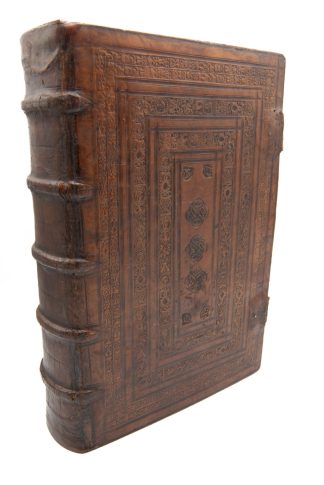
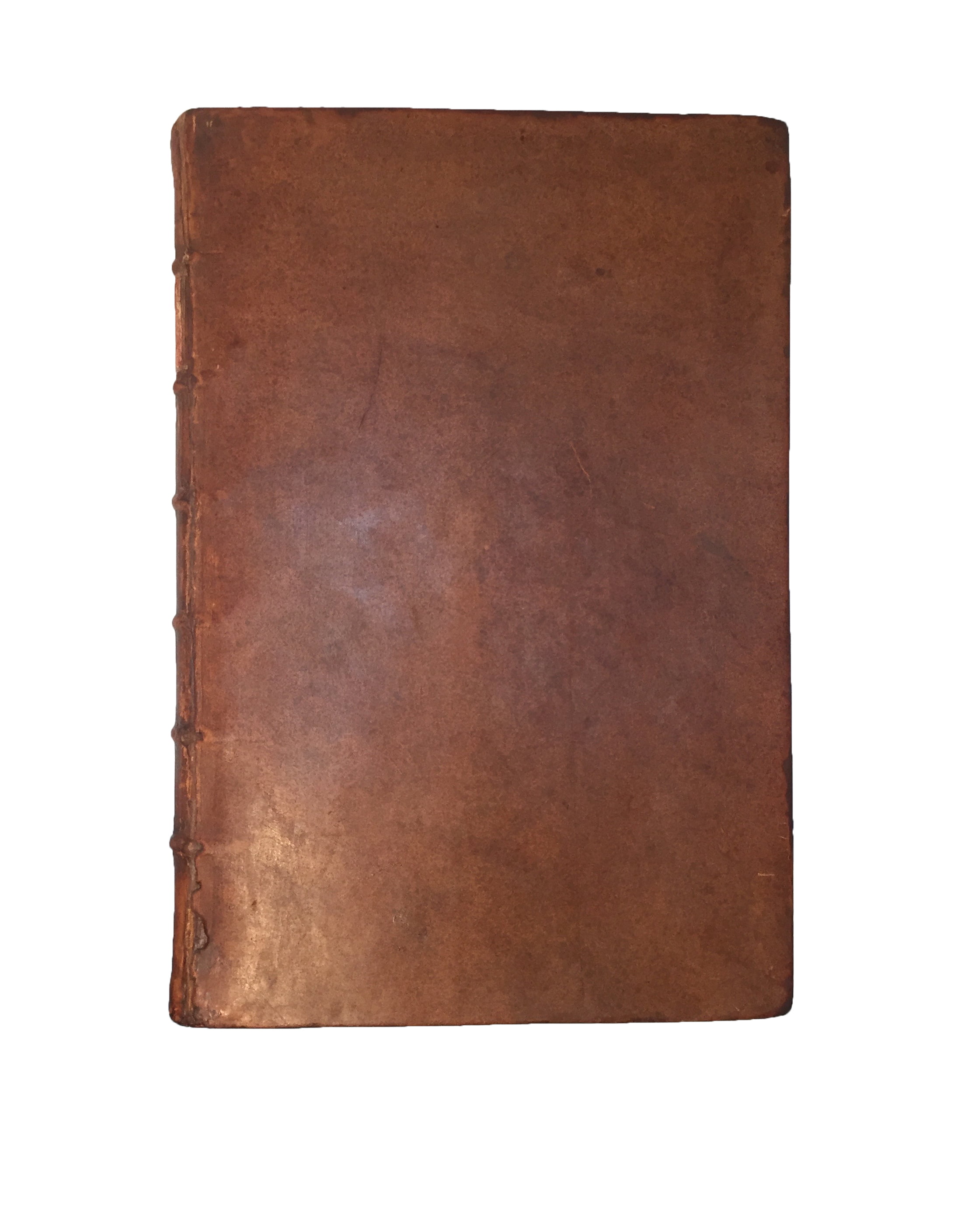
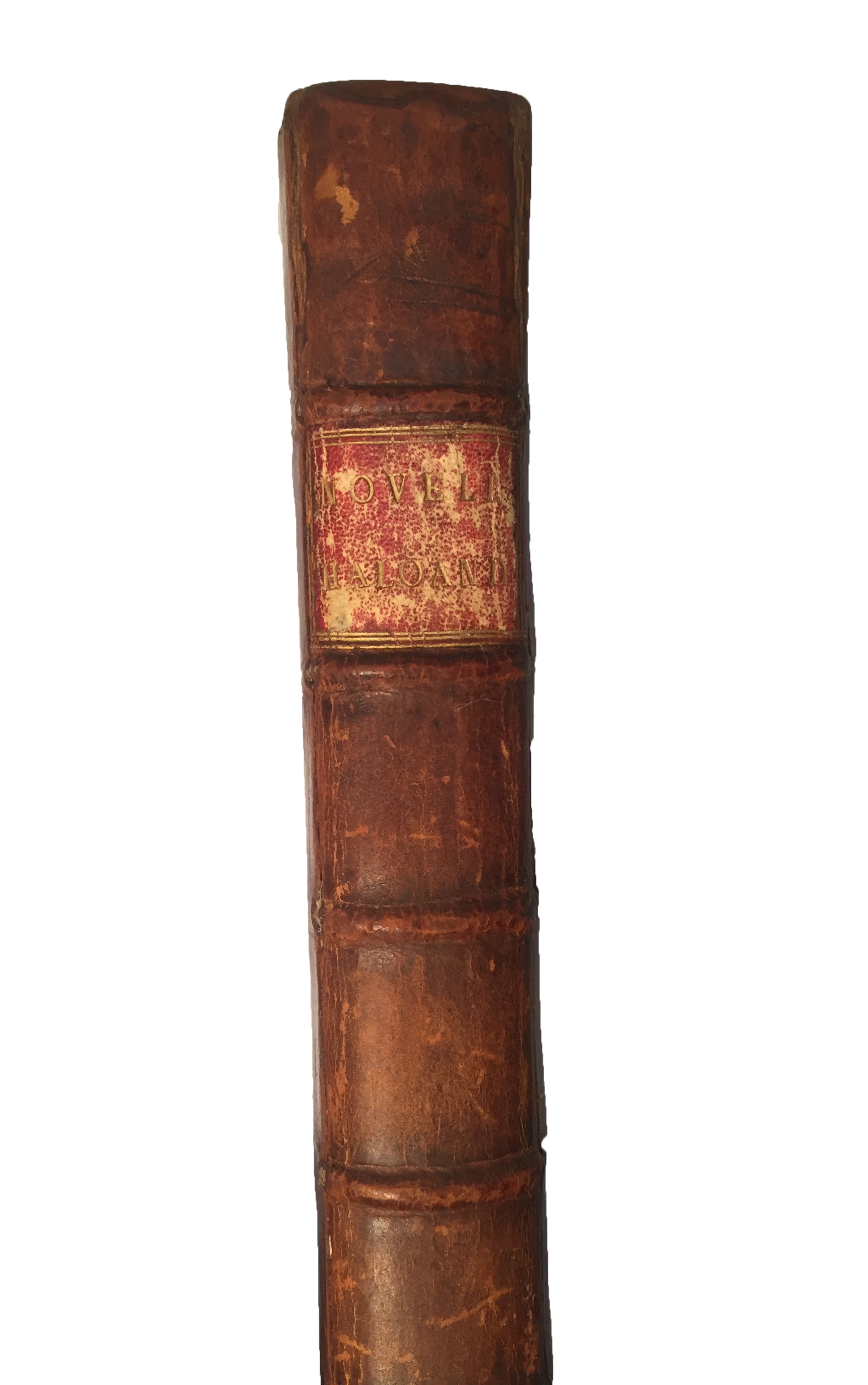
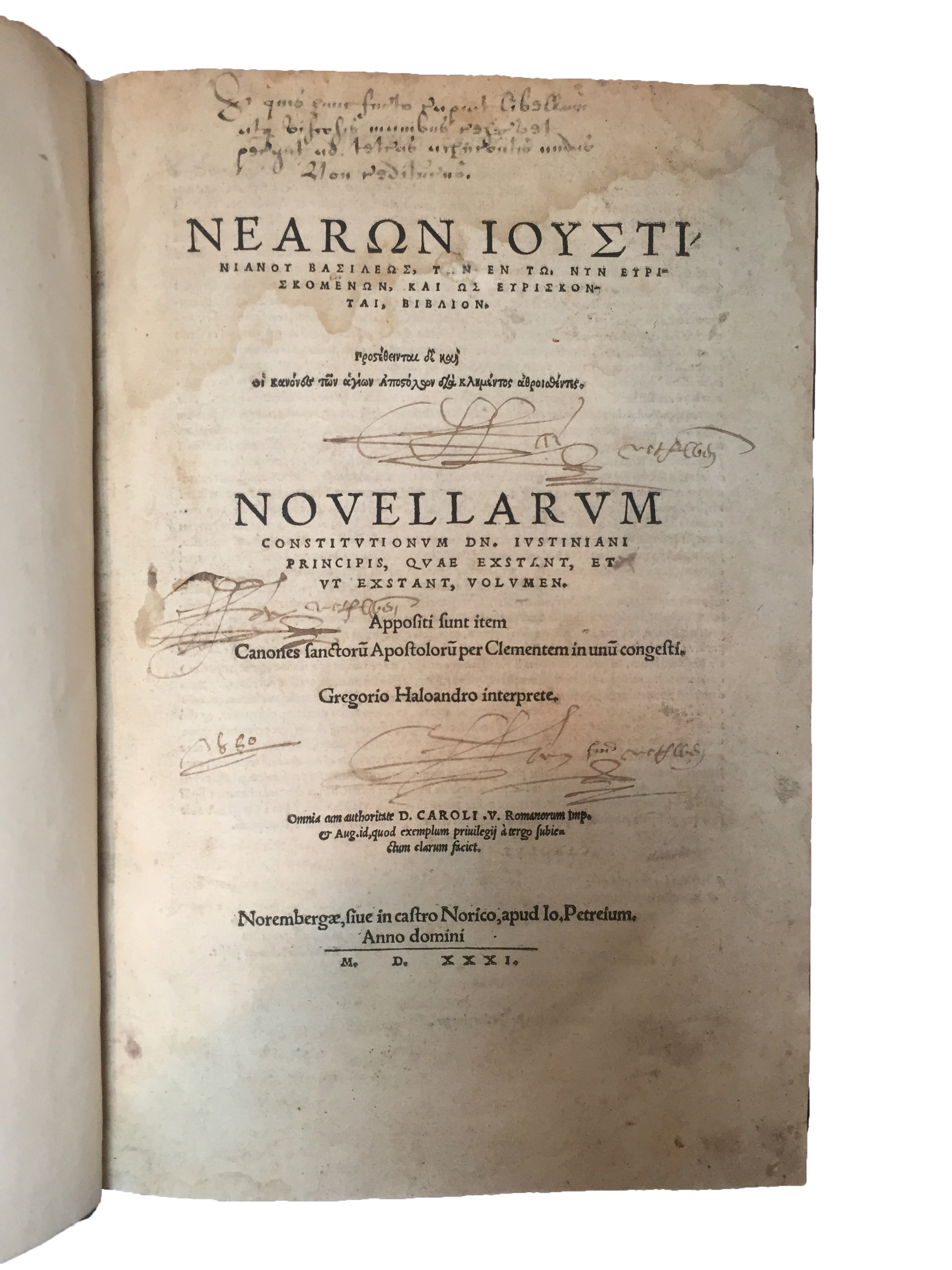
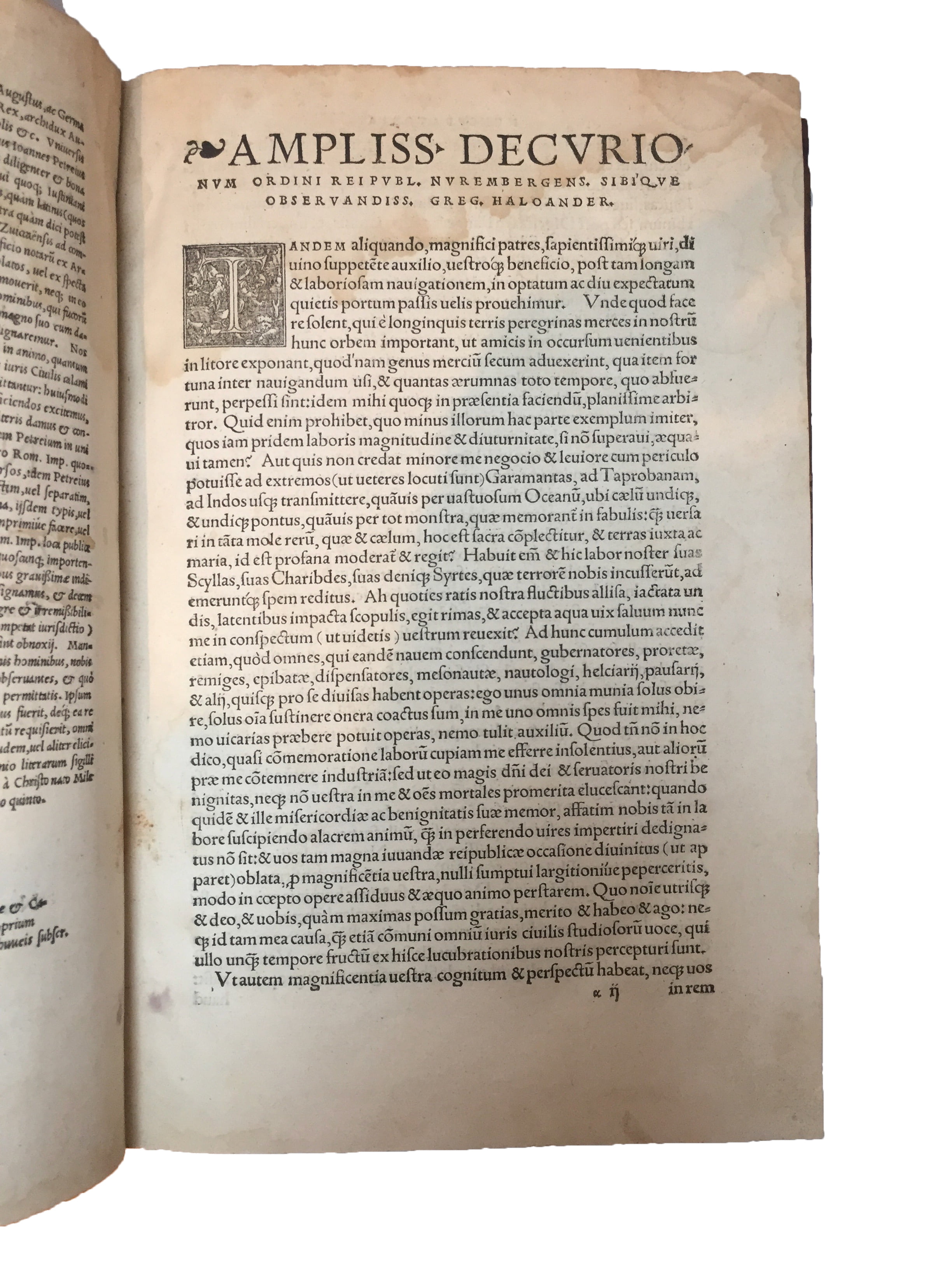
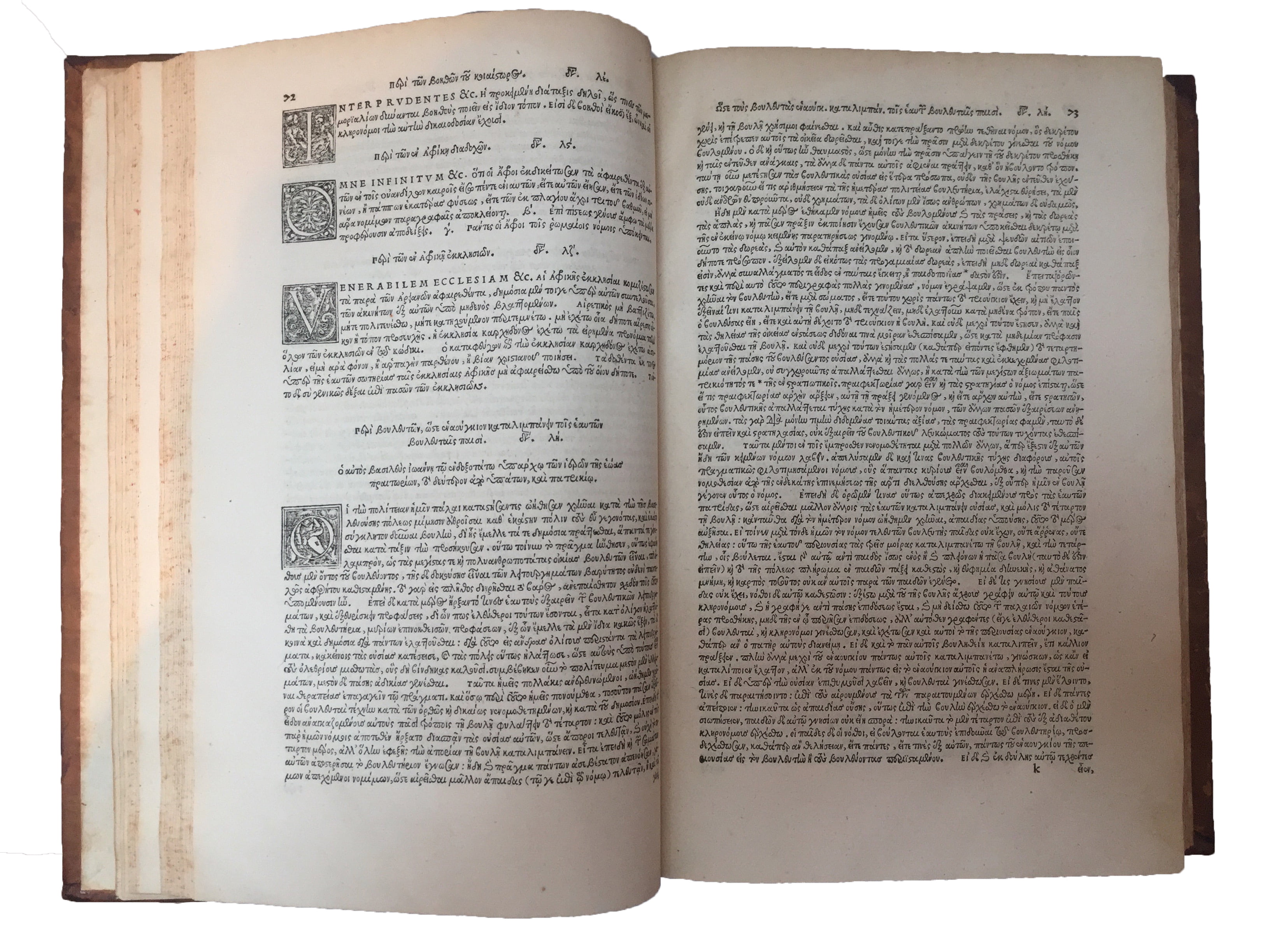
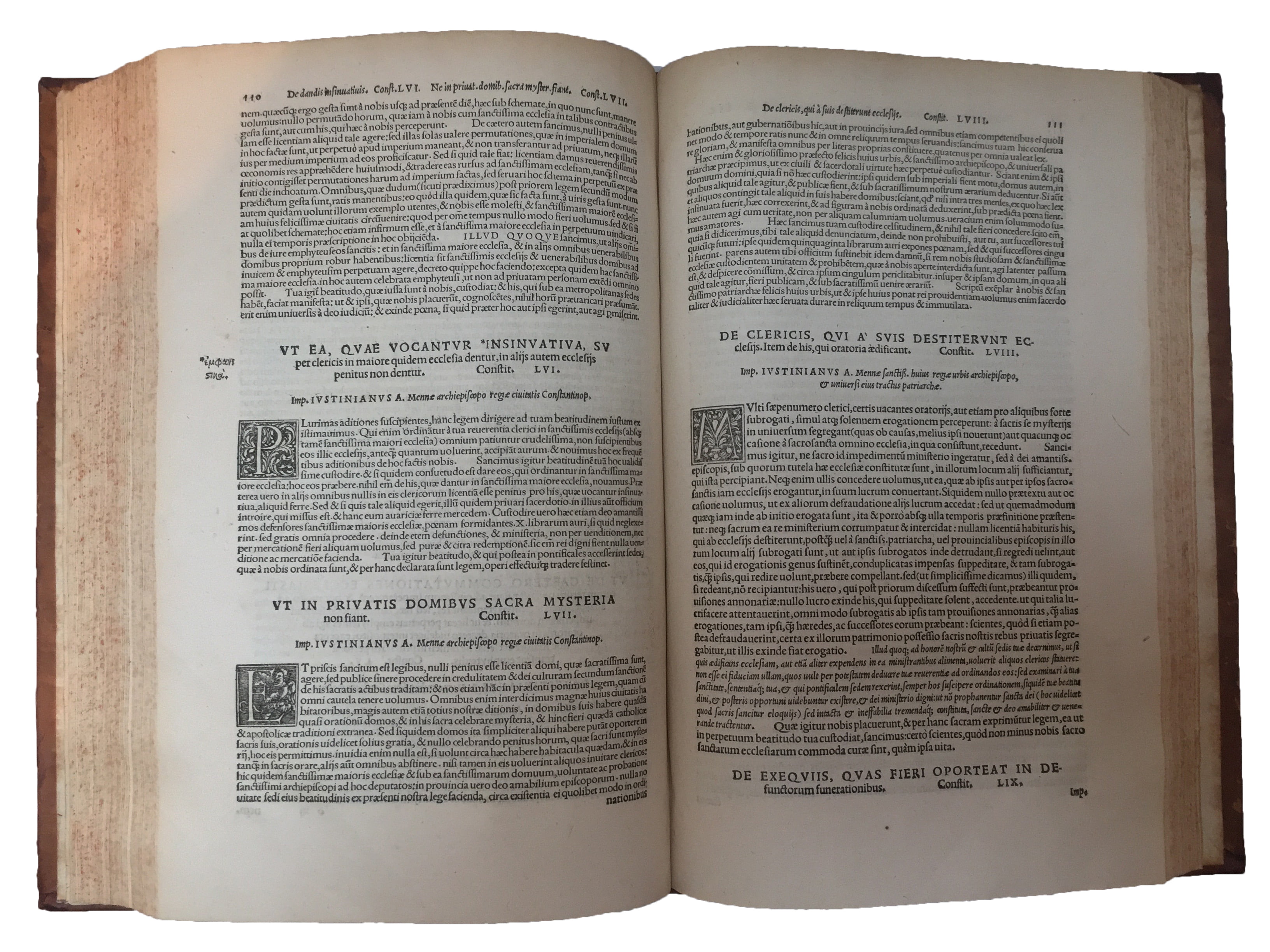
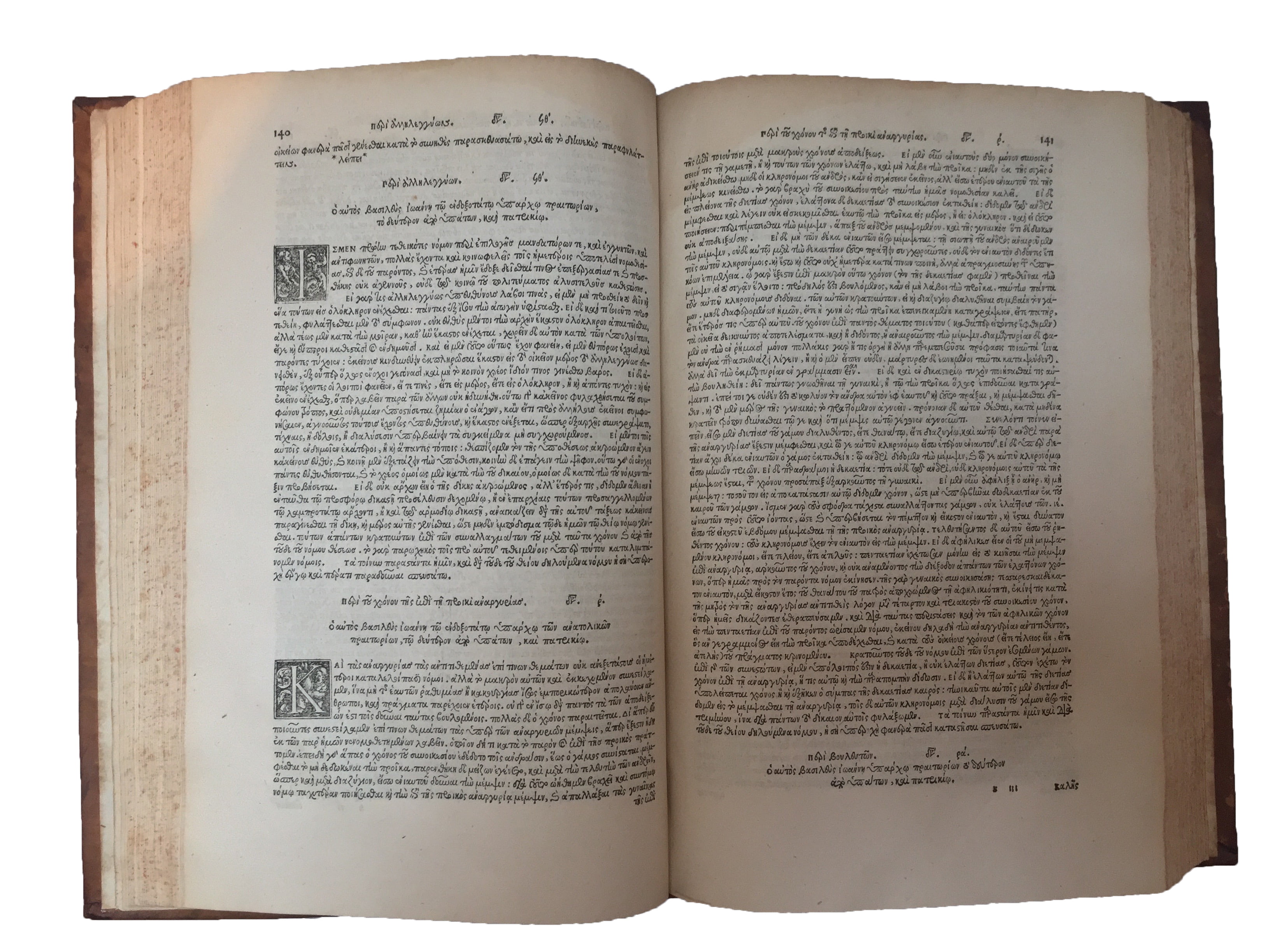
A very good, well-margined ‘editio princeps’ of Emperor Justinian’s ‘Constitutiones Novellae’, one of the milestones in the history of Western European legal systems. Justinian I (482-565) ruled for forty years over the Byzantine empire and succeeded in temporarily rekindling the former splendour of Rome by reclaiming Italy, Dalmatia and Spain from the Ostrogoths and Visigoths. He is best known for the ‘Corpus iuris civilis’—including the ‘Codex Justinianum’, the ‘Digesta’ or ‘Pandectae’, the ‘Institutiones’ and the ‘Novellae Constitutiones’—a compendium of all the decrees passed by Roman emperors, which became the official reference work on civil law after the year 529. The editio princeps contains the 168 ‘Novellae Constitutiones’, a collection of edicts passed by Justinian after the compilation of the ‘Corpus’ and later incorporated into it. Whilst the Latin text appeared in print in 1476, the Greek—drawn from the C14 Codex Laurentianus preserved at the Medici Library—was not published (with its Latin counterpart) until 1531. Its editor, Gregorius Haloander (1501-31), was professor at Nuremberg and had also edited the ‘Codex iuris civilis’ (Nuremberg, 1529). The ‘Novellae’ cover a wide array of subjects in great depth, from laws of inheritance to mortgaging ecclesiastical property, incest and the oaths of public officials. They also show how Roman laws were applied in colonial territories, for instance, in matters relating to the Church and the inheritance of family estates in Africa. The edition concludes with the 85 ‘Canones Apostolorum’, mentioned by Justinian in the sixth ‘novella’ as part of ecclesiastical law. Mistakenly attributed to Pope Clement, the ‘Canones’ were a collection of regulations and decrees of the early Christian Church, first printed in their entirety in this edition and later incorporated into the ‘Corpus iuris canonici’.
This copy belonged to Andrew Fletcher of Saltoun (1655-1716), ‘the most learned man of his day’, and the owner of the largest private library in Scotland. Among his possessions was also a ms. summary of the ‘Corpus iuris civilis’.